
The best time to visit vietnam
Find the best time to visit Vietnam by region, with practical advice on weather, crowds, festivals, budgets, transport, and flexible trip planning.
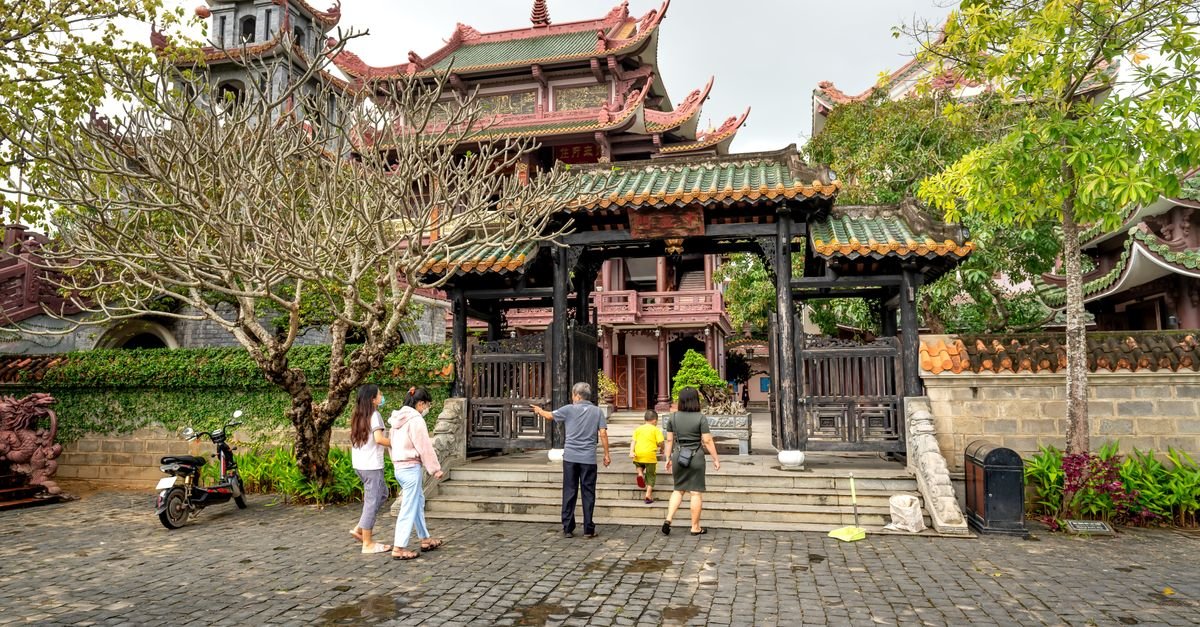
The best time to visit Vietnam depends on where you want to go, not just which month appears on the calendar. The country stretches from cool northern mountains to tropical southern waterways, so conditions can feel very different during the same trip. That variety is part of the fun, but it also means a little planning pays off.
Table of Contents
I like to begin with the experience I want rather than chase a supposedly perfect season. Are you hoping to trek through rice-terraced landscapes, spend slow days on the coast, eat your way through busy cities, or combine several regions in one independent journey? Your answer will shape the best route and the most comfortable travel window.
This guide breaks Vietnam into three broad areas: the north, central Vietnam, and the south. It also covers shoulder seasons, festivals, budgeting, packing, and how to build a plan that leaves room for weather changes. For a wider seasonal comparison, you can also browse the best places to travel in October before choosing your dates.
When is the best time to visit Vietnam?
The best time to visit Vietnam for a multi-region trip is generally the period when conditions overlap most comfortably across the north, center, and south, but there is no single month that guarantees ideal weather everywhere. A countrywide itinerary always involves a compromise.
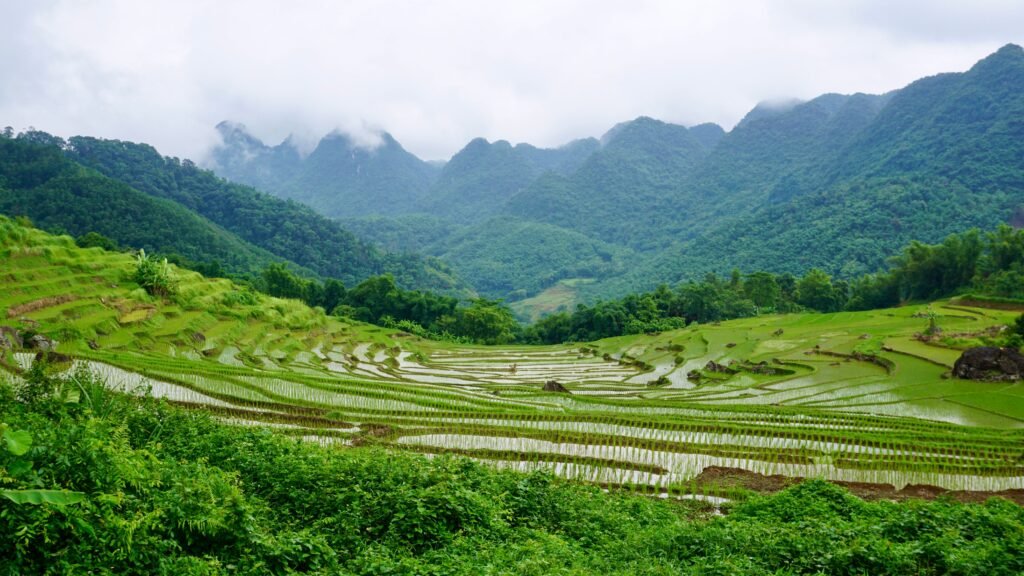
For many independent travelers, the most useful approach is to choose a primary region and treat the others as optional additions. A northern trip can focus on cities, mountain landscapes, and local culture. A central route can combine historic towns, food, and coastal time. A southern journey can lean into warm-weather adventures, river life, and urban energy.
That approach is more realistic than trying to cover the whole country under one weather forecast. It also makes the journey less rushed, which matters when you are traveling overland and want time for spontaneous meals, neighborhood walks, and conversations with other travelers.
- Choose the north for mountain scenery, history, and a cooler change of pace.
- Choose central Vietnam for historic streets, regional food, and a mix of culture and coast.
- Choose the south for warm conditions, lively cities, and waterways.
- Choose a shoulder-season route if flexibility matters more than predictable sunshine.
Best time to visit northern Vietnam
The best time to visit northern Vietnam depends on whether you prefer comfortable city weather, mountain trekking conditions, or the atmosphere of cooler months. Northern Vietnam includes a wide range of landscapes, so weather can change between lowland cities and higher elevations.
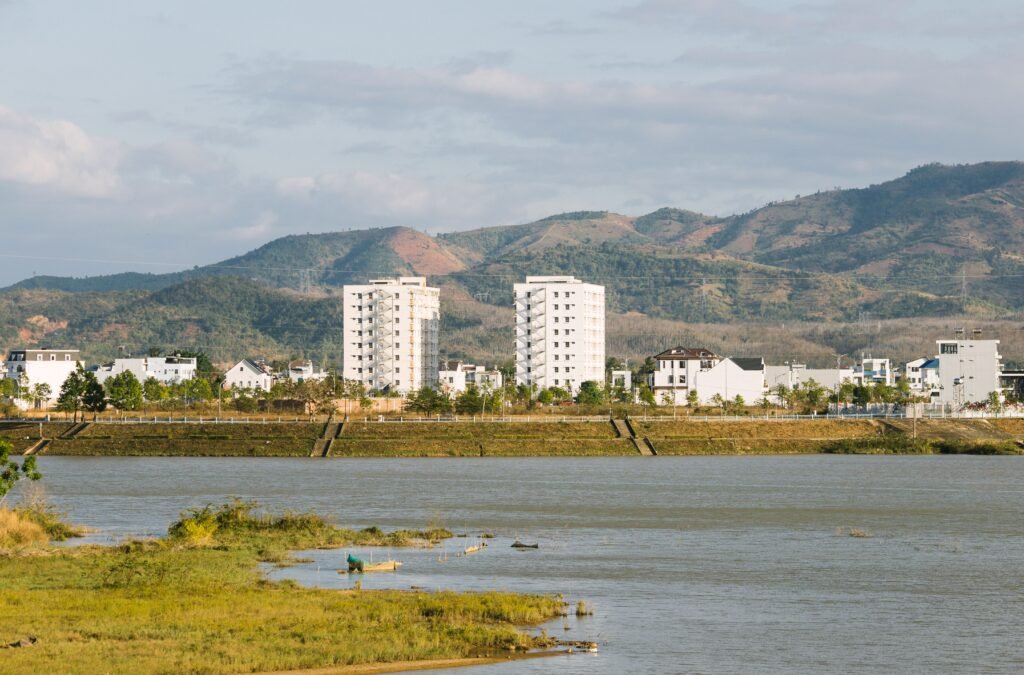
Hanoi works well for travelers who enjoy moving slowly through old streets, cafés, markets, museums, and food stalls. I would leave room for unplanned wandering here rather than filling every day with major sights. A cloudy morning can become an advantage when you are walking, eating, and exploring at street level.
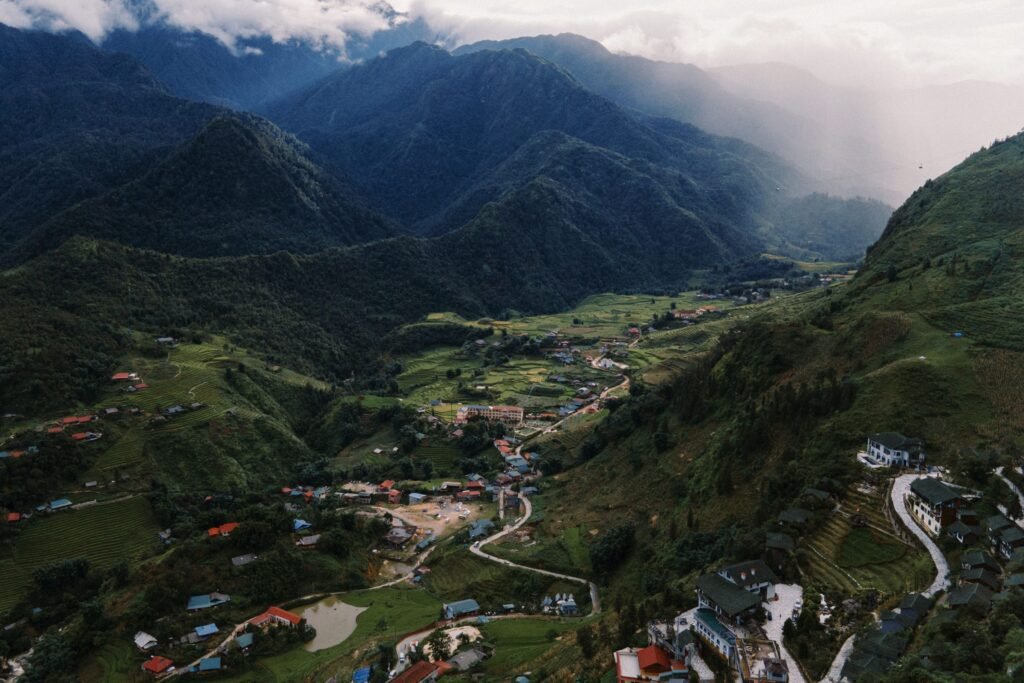
Further north, mountain destinations reward travelers who plan around visibility and trail conditions. Terraced valleys and winding roads are visual experiences, and mist or rain can change what you see. If trekking is the main reason for your trip, build in flexibility instead of booking every transfer tightly. One spare day can make the difference between a rushed hike and a rewarding one.
What to expect in the north
Temperatures and conditions vary more in the north than many first-time visitors expect. Pack layers rather than relying on one hot-weather outfit. A light waterproof layer, comfortable shoes, and a small day bag are useful for both city walks and rural excursions.
Solo travelers may find the north especially rewarding because shared transport, group excursions, and hostel common rooms create natural opportunities to meet people. You can keep your main itinerary independent while joining a short activity when you want company.
Before committing to a mountain route, check current transport information and local conditions. Roads, trails, and departures can be affected by weather, and schedules may change. I prefer confirming the next leg locally instead of assuming that an online timetable will reflect every practical detail.
Best time to visit central Vietnam
The best time to visit central Vietnam is the period that gives you the balance you want between historic sightseeing, food, beaches, and outdoor plans. Central Vietnam is a strong choice for travelers who want variety without constantly changing regions.
Historic towns invite a slower rhythm. You can spend a morning exploring old architecture, an afternoon trying local dishes, and an evening walking beside illuminated streets. The appeal is not only the headline attraction; it is the chance to settle into one place long enough to notice how daily life unfolds around the visitor areas.
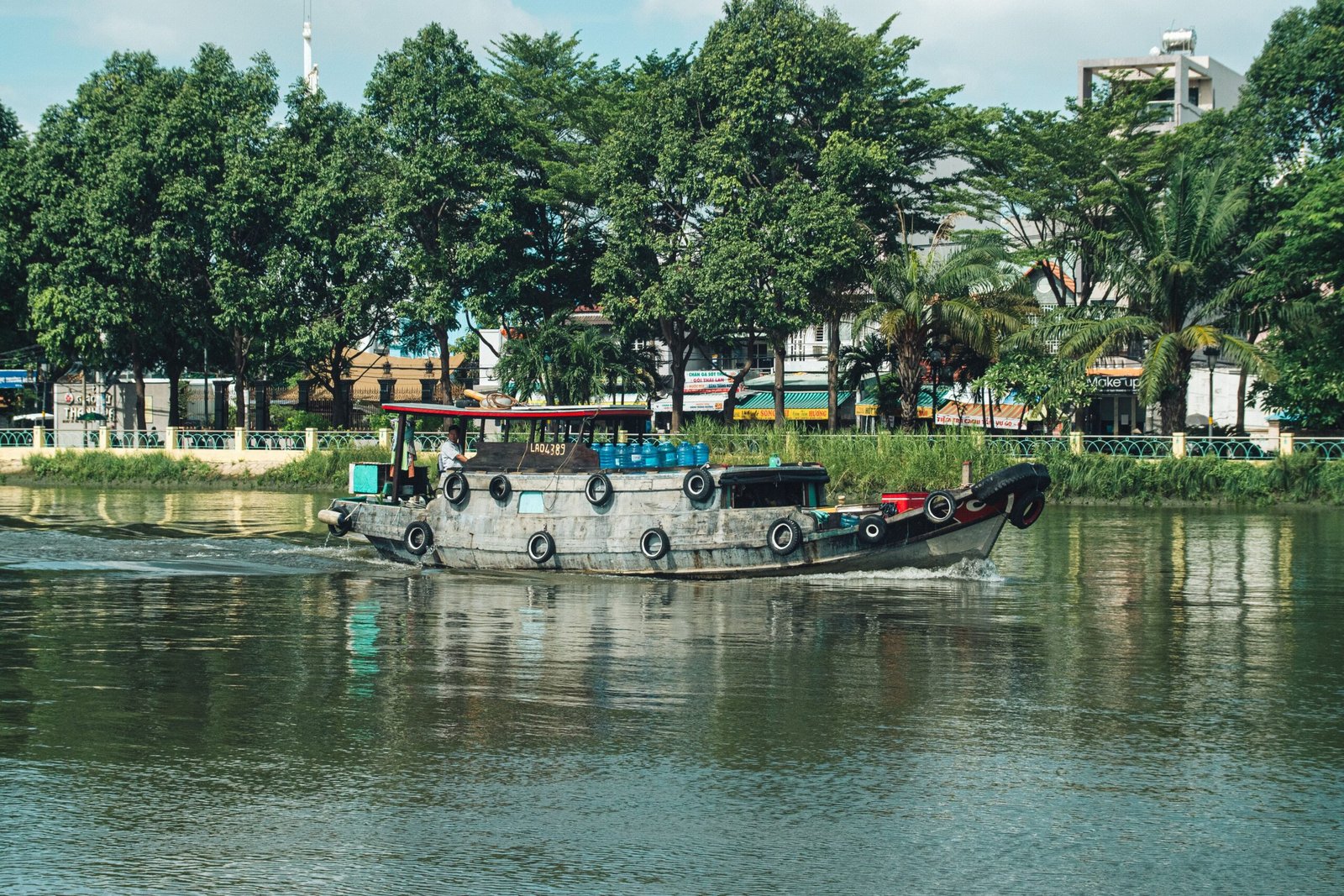
Coastal stops add another layer to a central route, but beach plans need flexibility. Even in a generally appealing travel window, conditions can shift. I would avoid building an entire itinerary around a single beach day. Pair the coast with food, markets, museums, or a cooking activity so the trip still works when the sky changes its mind.
How to plan a central Vietnam itinerary
Choose one historic base and one coastal or countryside experience rather than trying to collect every stop. This keeps transport manageable and gives you time to participate in local activities instead of viewing everything from a transfer window.
- Reserve extra time for wandering through historic neighborhoods.
- Ask accommodation staff where residents eat away from the busiest visitor streets.
- Keep beach days movable when your schedule allows.
- Carry breathable clothing, a rain layer, and shoes suitable for uneven streets.
Central Vietnam can also suit first-time solo travelers. Guided food walks, small-group cooking sessions, and day trips offer a simple way to connect with people without surrendering control of your itinerary.
Best time to visit southern Vietnam
The best time to visit southern Vietnam is the period that matches your tolerance for heat and rain with the experiences you want. The south often feels tropical, and that can be wonderful if you are prepared for changing conditions rather than expecting an identical forecast every day.
Ho Chi Minh City is a natural starting point for travelers who enjoy energy, street food, cafés, galleries, markets, and late-evening activity. I recommend keeping your first day relatively light. Arriving in a fast-moving city is easier when you have time to adjust, eat something simple, and learn the local rhythm before tackling a packed sightseeing list.
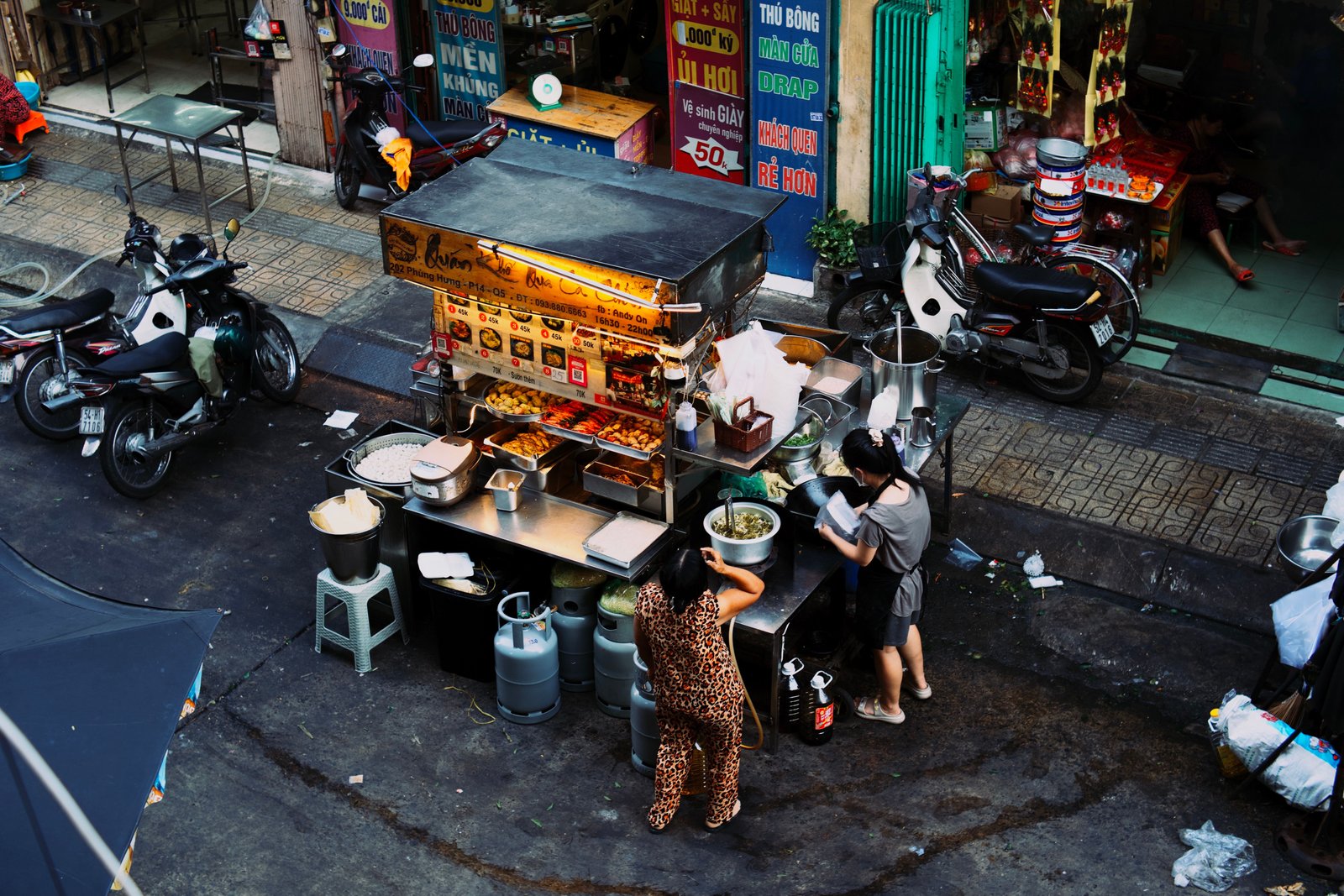
Beyond the city, southern waterways and rural landscapes offer a different pace. Boat excursions, local markets, and village visits can feel more meaningful when you choose a responsible operator and avoid treating communities as scenery. Look for experiences that explain where your money goes and give local hosts a genuine role in the activity.
Planning around heat and rain
Warm conditions make lightweight clothing essential, but practical packing matters more than packing as little as possible. Bring quick-drying clothes, sun protection, insect protection, a reusable water bottle, and a waterproof cover for electronics.
Rain does not have to cancel a day. Schedule outdoor excursions earlier when possible, then keep an indoor alternative ready. A market, café, food tour, museum, or cooking class can turn an unexpected downpour into part of the experience rather than a travel disaster.
Should you visit Vietnam during the shoulder seasons?
Shoulder-season travel can be a smart choice if you value flexibility, a less pressured pace, and the chance to find better availability than during the busiest periods. The trade-off is that weather can be less predictable, especially when your route crosses several regions.
I see this as a good bargain for independent travelers who do not need every day to be sunny. You may have to move a boat trip, change a hiking plan, or carry a rain layer, but you also gain space to make decisions as you go. That freedom is often more valuable than a rigid promise of perfect conditions.
Shoulder seasons are also useful for travelers who want to keep costs under control. Rather than assuming every hotel or flight will be cheaper, compare several dates and accommodation styles. Hostels, family-run guesthouses, and simple private rooms can make a larger difference to your budget than changing your entire itinerary for one supposedly inexpensive week.
For more ideas about traveling independently and meeting people along the way, see this guide to solo travel in Europe. The destinations are different, but the planning lessons apply: choose a social base, avoid overpacking your schedule, and leave room for company.
Festivals, holidays, and local atmosphere
Festivals can be a wonderful reason to visit Vietnam, but they require thoughtful planning. Dates may change from year to year, and transport or accommodation can become more competitive around major holidays. Check the calendar for the year of your trip before booking non-refundable arrangements.
A festival can bring music, food, decorations, family gatherings, and a strong sense of place. It can also mean crowded transport, altered business hours, and limited availability. I would plan a few buffer days rather than arriving immediately before a major celebration and expecting every connection to run normally.
Visitors should approach religious and community events respectfully. Dress modestly where appropriate, ask before photographing people, and follow local instructions. The most rewarding cultural encounters usually happen when you participate with curiosity instead of treating a tradition like a performance arranged for visitors.
If you are interested in culture across different seasons, our guide to places to visit in Paris offers a useful comparison in how a destination’s atmosphere can change with weather, crowds, and local events.
How long should you spend in Vietnam?
The right trip length depends on how many regions you want to visit and how much time you want to spend in transit. A shorter trip works best when you focus on one area. A longer trip gives you more room to connect north, central, and southern experiences without turning every other day into a travel day.
For a first journey, I would choose a simple route with a clear beginning and end, then add one optional extension. This gives you structure without making the itinerary feel like a conveyor belt. If you enjoy a place, stay longer. If the weather changes, use the optional section as a backup.
- Short trip: choose one region and build around food, neighborhoods, and one major excursion.
- Medium-length trip: combine two regions, allowing time for rest between long transfers.
- Longer trip: connect the north, center, and south, but keep several flexible days.
Do not underestimate rest days. Independent travel can feel exciting from the outside and surprisingly tiring in practice. A slower morning, laundry stop, or afternoon in a café can help you enjoy the next destination instead of merely reaching it.
What to pack for a Vietnam trip
Pack for variety rather than for one imagined forecast. Lightweight clothing, comfortable walking shoes, a rain layer, sun protection, and a modest outfit for religious sites cover many situations. If you are visiting higher elevations, add warmer layers instead of assuming the whole country will feel tropical.
- Quick-drying tops and underwear.
- Comfortable shoes with enough grip for wet streets or uneven paths.
- A compact rain jacket or poncho.
- Sun protection and a reusable water bottle.
- A small dry bag or waterproof pouch for electronics.
- Basic medication and a copy of important travel documents.
Keep your main bag manageable. A lighter load makes local transport, stairs, hotel changes, and spontaneous detours much easier. Laundry services and simple clothing choices mean you rarely need to pack for every possible day.
Practical planning tips for independent travelers
The most useful preparation is checking current information close to departure. Confirm transport, accommodation policies, weather alerts, entry requirements, and any regional closures using official or reputable sources. Rules and schedules can change, so do not rely on an old blog post for a current decision.
Book the parts of the journey that are difficult to replace, such as an arrival night, a popular excursion, or a connection you must make on a certain date. Leave the rest flexible. That balance protects your trip from both overplanning and avoidable stress.
For solo travelers, choose accommodation with a social common area or optional group activities. You do not need to share a dorm to meet people. A communal breakfast, walking tour, cooking class, or short group excursion can provide company while keeping the rest of your day yours.
Eat where you see regular local activity, carry small amounts of cash for everyday purchases, and learn a few polite local phrases. You do not need fluent language skills to show respect. A smile, patience, and willingness to ask before taking a photograph go a long way.
Final advice on the best time to visit Vietnam
The best time to visit Vietnam is the time that fits your chosen region, travel style, and tolerance for uncertainty. Northern mountains, central historic towns, and southern waterways each offer a different reason to go, and a little rain does not have to erase the experience.
Start by choosing the kind of trip you want. Then check the seasonal conditions for that region, compare a few date ranges, and build an itinerary with breathing space. I would rather have a flexible route with time for a memorable meal or an unexpected conversation than a perfect-looking schedule that leaves no room to pause.
Before you book, check the latest official travel information and confirm any time-sensitive arrangements. Then choose a first destination, pack lightly, and let curiosity do some of the planning once you arrive.